
 Private Tour(131 tours)
 Small group(5 tours)
 Transfer(13 tours)
 Package tour(2 tours)



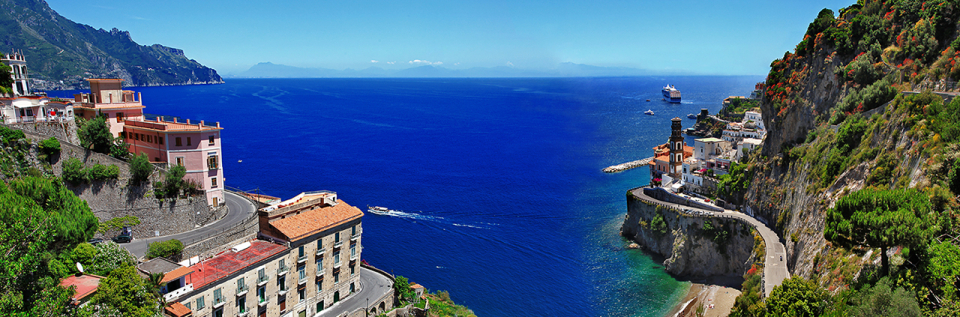
Discover how to explore the Amalfi Coast and Sorrento—from scenic towns and private boat tours to authentic food, wine, and hidden gems
The Amalfi Coast is one of the most breathtaking places in the world—towering cliffs, colorful villages clinging to the rocks, sparkling turquoise waters, delicious food, and lemon groves that perfume the air.
But as you start planning, many questions pop up:
- How do I get around? What is the best way to discover Positano, and Amalfi without getting stuck in traffic?
- Where should I stay? Is Sorrento better than Positano, and how does that affect my travel?
- What should I do? How do I make sure I am not missing the best things to do?
- Where/What should I eat? How do I experience the true local cuisine and avoid tourist traps?
With this complete guide, you have all the answers.
As local experts we've compiled everything you need. We'll ensure you spend your time soaking up the atmosphere and the views—not navigating traffic, hunting for parking, or waiting in line.
How to Get Around the Amalfi Coast
Exploring the Amalfi Coast is part of the adventure but the area does create some logistical challenges: narrow roads, ferry schedules, iconic viewpoints – and each option implies different levels of comfort, cost, time and flexibility.
Since the best way to travel depends on your priorities, style, and timeframe, here’s a breakdown of the main options with honest pros and cons for each, so you can select the right path for your journey.
1. Driving Yourself
The flexibility of having your own vehicle is greatly counterbalanced by many causes for stress. We suggest to think carefully before deciding to rent a car to discover the area.
Pros:
- Flexibility: Maximum personal freedom with stops and itineraries
Cons:
- Stress: The winding SS163 road is extremely challenging: very narrow, on a cliff, with heavy traffic
- Parking Nightmare: Difficult, expensive (up to €20/hour), and often impossible in popular towns.
- Fines: High risk of accidental traffic fines from restricted ZTL (Limited Traffic Zones).
- Hidden Costs: Parking fees and fines often make the overall price comparable to hiring a driver.
- Accidents: the roads are difficult and unexperienced drivers may cause accidents
Tip: Renting a car works best if you want to visit inland spots like Ravello, hidden gems like Massa Lubrense, or combine Pompeii and Mount Vesuvius in a day.

2. Public Transport
The cheapest way to move around, but requires to have more time at hand. What you save in transportation cost you are likely to spend it in accommodation for a longer stay.
Pros:
- Budget-Friendly: The cheapest way to travel between towns.
- Scenic: Ferries offer lovely coastal views (but hydrofoils generally do not have space outside)
- Coverage: Buses cover most towns and all major tourist locations
Cons:
- Unreliable Schedules: Buses are subject to significant traffic delays.
- Overcrowding: Buses are often packed, leading to missed stops or standing room only.
- Waste of time: public transportation is slow.
- Limited choice: busses and ferries will limit your flexibility because of the predetermined timetables.
- Limited Access: Ferries only operate between major coastal towns and are subject to weather conditions.
Tip: Public transport is ideal for solo travelers or those staying in central towns, especially for short distances like Sorrento → Positano → Amalfi.
3. Private Boat
Probably the best the way to go.
Pros:
- Traffic-Free: The only way to entirely escape the road congestion
- Best Views: Provides the most stunning, unobstructed perspective of the cliffside towns
- Island Access: Essential for visiting the islands (Capri, Ischia, Procida)
- Fun: swim/snorkel stops, sunbathe, drinks onboard
- Flexible: Complete control over your itinerary and pace
- Privacy: the most intimate and private way of travelling
Cons:
- Not a Land Transfer: Cannot take you to mountain towns like Ravello
- Weather Dependent: Subject to delays or cancellation due to rough seas
- Cost: more expensive than other options
Tip: Ideal for exploring Capri, Positano, Amalfi, Ischia. Boats depart from Sorrento, Positano, Amalfi, Naples, and most towns on the sea, so you can plan based on where you’re staying.
KissFromItaly's private boat tours offer speed, luxury, and flexibility, ensuring your day is pure magic.

4. Hire a Private Driver
A good compromise between cost, comfort, flexibility.
Pros:
- Zero Stress: Your driver expertly handles all traffic, parking, and navigation.
- Door-to-Door: Essential for hotel transfers, luggage, and reaching places like Ravello.
- Local Knowledge: Drivers offer insight, recommendations, and shortcuts.
- Safety & Reliability: Guarantees you are dropped off on time.
Cons:
- Higher Upfront Cost: More expensive than public transport.
- Subject to Traffic: Even private cars can be delayed during peak holiday bottlenecks.
Tip: Perfect for family trips, multi-stop excursions, or combining towns and archeological sites like Pompeii or Herculaneum in one day.
If traffic and parking stress are your main concerns, a private driver is the most strategic investment you can make for your time on land.
5. By Helicopter
THE most spectacular way of transferring, but it comes with limitations.
Pros:
- Fastest Option: Turns multi-hour transfers into breathtaking, quick and scenic flights.
- Ultimate Luxury: Unparalleled views and exclusivity.
- Unmatched Efficiency: Ideal for travelers with very limited time arriving from Rome or Naples
Cons:
- Highest Cost: A significant premium over all other transport
- Limited Access: Requires a certified heliport for safe drop-off and pickup
- Subject to weather conditions: Strong winds and heavy rains may prevent the flight
Tip: Helicopters are perfect for travelers short on time, celebrating a special occasion, or looking for a once-in-a-lifetime perspective of the Amalfi Coast.
For ultimate efficiency and luxury, check-out KissFromItaly's helicopter services.

Where to Stay on the Amalfi Coast & Sorrento
Choosing the right base can transform your trip. Each town along the Amalfi Coast and Sorrento Peninsula has its own character, and where you stay will influence what you see, how you get around, and the overall pace of your trip.
Here’s a guide to help you decide:
Sorrento: The Perfect Base
Sorrento is the only town on the peninsula facing west, which makes for stunning sunsets over the Bay of Naples. Its compact, walkable center is full of charming streets, lively piazzas, and excellent restaurants. Beach space is limited, but travelers can sunbathe and dive from rocky platforms along the coast.
Sorrento is perfect as a base for exploring the entire area. Staying here gives you easy access to Capri, Positano, Amalfi, Ischia, Procida, Pompeii, Herculaneum, Naples. Generally offers a wider range of hotels and restaurants across all price points than Positano
Vibe: Charming, romantic, and well-connected
Ideal for:
- First-time visitors who want convenience and comfort
- Families seeking accessibility and (relatively) more affordable options
- Travelers relying on public transport or private drivers
Transport connections:
- Short ferry to Capri
- Buses and trains to Pompeii and Naples
- Private drivers and boat tours easily depart from here
Read more:
- Sorrento vs. Positano Which is the Best Place to Stay?
- Sorrento: The Perfect Home Base to Explore the Amalfi Coast
- Visiting Sorrento and Sorrento Boat Tours: All Your Questions Answered

Positano: Iconic & Beach-Friendly
Positano is famous for its vertical layout, pastel houses, and beautiful beaches. It’s perfect for postcard-perfect photos, romantic evenings, great shopping, and days spent by the sea. The beach front allows boats to depart very easily making it an ideal choice for boat tours.
On the downsides: Positano is vertical, requiring endless walking up and down stairs (not ideal for those with mobility issues), it is also more expensive - lodging and dining here carry a significant premium.
Vibe: Romantic, luxurious, and highly photogenic.
Ideal for:
- Couples and honeymooners
- Travelers who want both charm and beach access
- Guests who enjoy boutique hotels, cliffside terraces, and seaside restaurants
Transport notes:
- Narrow streets, limited and expensive parking make self-driving tricky
- Ferries are convenient for day trips to Capri and Amalfi
- Private boats and drivers are excellent for avoiding crowds
Read more:

Amalfi: Lively & Historic
Amalfi is a lively town with a rich maritime history, a beautiful cathedral, and a bustling center. It’s the birthplace of limoncello, the humble liquor that conquered the globe. Very lively town with great options for local shops, cafes, and trattorias.
Vibe: Lively, historic, and centered around its beautiful main square.
Ideal for:
- Travelers who want a historic, vibrant town
- Easy access to Ravello, Positano, and other coastal villages
Transport connections:
- Ferries to Positano, Capri, and Sorrento
- Bus service along the coast
- Private drivers recommended for full flexibility

Ravello: Elegant & Panoramic
Perched high above the coast, Ravello offers serenity, stunning gardens, and breathtaking terraces. Home to Villa Rufolo and Villa Cimbrone, offering the most famous, Instagram-worthy panoramic views from above the sea. Its refined atmosphere is perfect for art, music, and romantic getaways. Far less crowded than the coastal towns.
Vibe: Elegant, a more sophisticated, less beach-focused atmosphere.
Ideal for:
- Couples and honeymooners
- Travelers seeking culture and tranquility
- Guests attending weddings or special events
Transport notes:
- Best by own car or private driver
- Buses are available but less frequent
- Located up on the mountain, it has no sea access
Read more:

Best Things to Do on the Amalfi Coast & Sorrento
Once you’ve decided how to get around and where to stay, the Amalfi Coast opens up into a wide range of experiences. The challenge is not what to do, but how to choose what fits your travel style best.
Rather than rushing from place to place, most travelers find the region most rewarding when they mix a few iconic highlights with slower, more personal moments.
Experience the Coast from the Water
Many visitors consider time on the sea the highlight of their trip. Seeing the coastline from the water offers a completely different perspective and access to places that simply can’t be reached by land. Boat experiences can include island discoveries like Capri and Ischia, swimming stops, and relaxed days moving between coastal towns.
Take in Iconic Views
The Amalfi Coast is defined by its views—dramatic cliffs, elevated villages, and endless horizons over the sea. Whether from scenic roads, the panoramic terrace of Villa Cimbrone, or even from a helicopter, these viewpoints are often what people remember most when they think back on their journey.
Add History & Culture to Your Trip
Just inland from the coast lie two of Italy’s most important historical areas: Pompeii and Herculaneum. Ancient Roman cities, museums, and centuries of art and architecture offer a powerful contrast to the coast’s natural beauty and are often combined into day trips.
Enjoy Food & Local Lifestyle
Food is inseparable from daily life here. From lemon-based specialties and seafood to simple meals enjoyed slowly with a view, culinary experiences are often among the most authentic moments of a stay.
Slow Down in the Towns
Not every moment needs to be planned. Wandering through iconic towns, shopping for local crafts in Positano, enjoying a drink at sunset in Sorrento, or strolling after dark often becomes the most unexpectedly memorable part of the trip.
Outdoor Experiences
For those who enjoy being active, the region also offers walks and natural areas that reveal a quieter, greener side of the Amalfi Coast—far from traffic and crowds.
Read more:
Explore our complete guide to the best things to do on the Amalfi Coast & Sorrento

What to eat: food, Wine & Limoncello on the Amalfi Coast
The Amalfi Coast is a feast for all senses, and its cuisine and drinks are central to experiencing the region’s culture, lifestyle, and charm. From the freshest seafood to aromatic wines and the iconic Sorrento lemons, every bite and sip tells a story.
Food: Savor the Flavors of the Coast
The Amalfi Coast’s dishes are a celebration of freshness, simplicity, and seasonality. Seafood dominates the menu, with specialties like scialatielli ai frutti di mare (homemade pasta with mixed seafood), fresh anchovies, and grilled fish prepared simply to highlight natural flavors.
Vegetables, citrus, and herbs are key—Sorrento lemons, tomatoes, zucchini, and basil feature in salads, pasta sauces, and side dishes. Olive oil from local groves adds a fruity, aromatic touch to almost every plate. Visitors can enjoy traditional trattorias, market food, or more contemporary interpretations.
To explore the full spectrum of Amalfi Coast cuisine, check out our detailed guide: What Dishes to Try on the Amalfi Coast
Wine: Terraced Vineyards and Local Grapes
The Amalfi Coast is not only about lemons and seafood—it also produces some remarkable wines. Vineyards cling to terraced cliffs, taking advantage of the coastal microclimate and volcanic soils.
Key grape varieties include:
- Fiano – crisp, aromatic whites with notes of citrus and almond, often from Tramonti
- Greco – white wine with floral and mineral hints, ideal with seafood
- Piedirosso – red grapes producing light, fruity reds from Vesuvio and nearby areas
- Aglianico – a fuller-bodied red with structure and depth, grown on higher terraces
These wines are often best enjoyed locally, paired with fresh seafood or a simple pasta dish. Many coastal towns also offer tasting experiences, wine bars, and vineyard visits where you can learn directly from producers.
Limoncello: The Taste of Amalfi Sunshine
No visit to the Amalfi Coast is complete without sampling its signature liqueur: limoncello. Made from the fragrant Sorrento lemons, limoncello captures the sunshine and zest of the region in a bright, aromatic digestif.
Beyond tasting in bars or restaurants, you can visit family-run limoncello producers to see traditional preparation methods and explore other lemon-based delights, including lemon-infused pastries, candies, and oils
This iconic drink represents the region’s artisanal spirit and is a flavor experience uniquely tied to Amalfi Coast life. Want to know more? Read the history and how to make it!

Practical Tips for Visiting the Amalfi Coast & Sorrento
A little planning goes a long way on the Amalfi Coast. These practical tips will help you enjoy the region without stress, so you can focus on experiences rather than logistics.
What to Pack & Wear
What you wear on the Amalfi Coast matters—not just for comfort, but for feeling in tune with the place. The climate, terrain, and local lifestyle all influence how you should pack.
The Amalfi Coast is a glamorous destination, and Italians care deeply about style. Even casual outfits tend to be well put together, especially in the evening. Dressing well is part of the experience—whether you’re enjoying an aperitivo in Sorrento, dining by the sea in Positano, or strolling through Amalfi’s historic center.
For a deeper dive into what to wear—and how to dress like a local—read our complete guide:
What to Wear on the Amalfi Coast: Tips on How to Dress Like a Chic Italian Woman
When to Visit: Season by Season
- March-May: Mild temperatures, blooming gardens, fewer crowds in March/April — ideal for photography and relaxed sightseeing.
- June-August: Hot and sunny weather perfect for swimming, boating, and seaside dining. Expect more tourists and higher prices.
- September-October: Nice and warm without excess, much less crowded than summer, the best time to visit.
- November-February: Cool and quiet, with many attractions and hotels closed, but a unique peaceful charm for those seeking solitude.
Suggested Duration of Stay
- 2 days: The bare minimum to get a taste of the Amalfi Coast highlights.
- 3–4 days: Enough to explore the main towns and attractions without feeling rushed.
- 5–7 days: Provides a complete overview, including islands, scenic drives, and hidden gems, while allowing for leisurely pacing.
With these tips in mind, you’ll be prepared to make the most of every day on the Amalfi Coast, moving smoothly between towns, beaches, terraces, and hidden corners while fully enjoying the lifestyle and natural beauty of the region.

Plan Your Perfect Amalfi Coast Experience
Whether you’re strolling through cliffside towns, savoring fresh seafood, or taking in the views from the water, the Amalfi Coast is a destination that rewards curiosity and a sense of adventure.
To make the most of your visit, explore our curated experiences—from private boat tours and culinary adventures to guided visits of Pompeii and Herculaneum or get in touch: we will make your dream vacation come true.
Gallery


View all 9 photos


