 Private Tour(131 tours)
 Small group(5 tours)
 Transfer(13 tours)
 Package tour(2 tours)



Your guide to navigating Italian Christmas Eve feasts, New Year’s traditions, gifting etiquette, and the unspoken rules of dining with locals
Italy does holidays differently — slower, richer, louder, and with a level of culinary devotion that borders on religious. If you’re visiting Italy in December or spending the holidays with Italian friends or family, knowing a few unspoken dining rules can transform your experience from "tourist at the table" to "honored guest."
Here’s everything travelers need to know about Italian holiday dining etiquette, from Christmas Eve seafood feasts to New Year’s good-luck dishes, gift expectations, timing, dress codes, and those small cultural rituals that shape the Italian holiday season.
Expect Long, Multi-Course Meals (Seriously, Clear Your Afternoon)
Italian Christmas meals are legendary: endless antipasti, pasta, meat or seafood, side dishes, desserts, coffee, digestivo… then somehow more food appears. Holiday meals in Italy aren’t meals — they’re marathons.
Tips:
- Show up hungry.
- Don’t make post-dinner plans.
- Don’t rush
A typical Christmas or New Year’s feast can last: 3 to 6 hours (minimum!), include 4–7 courses, and finish with coffee, dessert, and a digestivo a.k.a. ammazzacaffe’, coffee-killer.
Meals unfold slowly, with conversation as the main course and food as the supporting cast. Embrace the ritual.
Christmas Eve = Seafood Only - With Exceptions
If you’re invited to dinner on December 24th, prepare for a seafood-focused menu especially in many southern regions, where the Catholic tradition of a meatless vigil still holds strong. But in the North, families might serve everything from cappelletti in brodo to roast meats on both the 24th and 25th.
While there are well respected traditions, don’t assume a single "Italian Christmas menu" exists — it’s wildly regional, pretty much like every Italian custom.
Christmas Day Lunch Is the Main Event
While Christmas Eve is big, Christmas Day lunch is the star of the Italian holiday season.
Expect dishes like:
- Lasagne, cannelloni, or tortellini in brodo
- Roasted meats (lamb, veal, pork)
- Stuffed vegetables
- And of course, plenty of desserts
This is also the longest meal of the season. Pace yourself.
Vegetarian or Vegan? In Italy, and Especially at Christmas, That’s… Courageous
Italian holiday meals are legendary — and famously NOT designed with vegetarians (and definitely not vegans) in mind. Italy is a land where nonna believes prosciutto is basically a vegetable. So, if you’re vegetarian or vegan, prepare for reactions ranging from confused blinking to gentle concern.
If you mention you don’t eat meat, expect reactions like:
- "Not even chicken?"
- "Not even a little?"
- "What if I slice it very thin?"
Vegan? That’s when the table collectively pauses, worried you might not make it through the evening.
It’s not judgment — just cultural surprise. For many families, Christmas cuisine is rooted in tradition, and those traditions involve a lot of animal-based dishes.
The good news: Italians are incredibly hospitable. Once they understand what you can eat, they’ll go out of their way to feed you — they just need the data. Give them advance notice and you’ll be showered with vegetables, pasta, legumes, salads, risotto, and fruit.
Short version: You’ll be fine — just communicate ahead of time. Because in Italy, especially at Christmas, food = love, and they’ll find a way to show it… even if you skip the prosciutto.
Never Arrive Empty-Handed
Italian holiday hosting etiquette is simple: always bring something.
Good options:
- A bottle of wine (local to the region = extra points)
- Good-quality chocolates
- A panettone or pandoro
- A small gift for the host’s children
- A holiday floral arrangement
Avoid:
- Supermarket wine
- Flowers in even numbers or chrysanthemums, they are for funerals
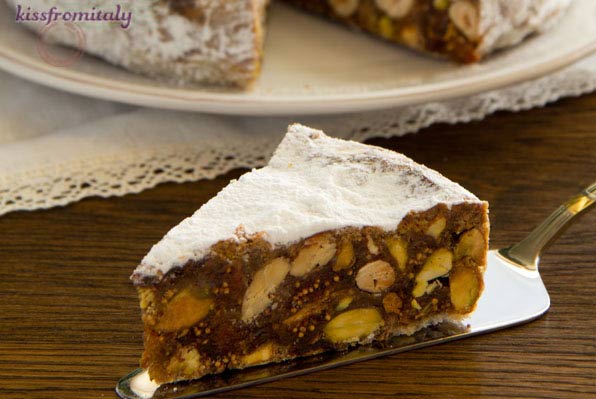
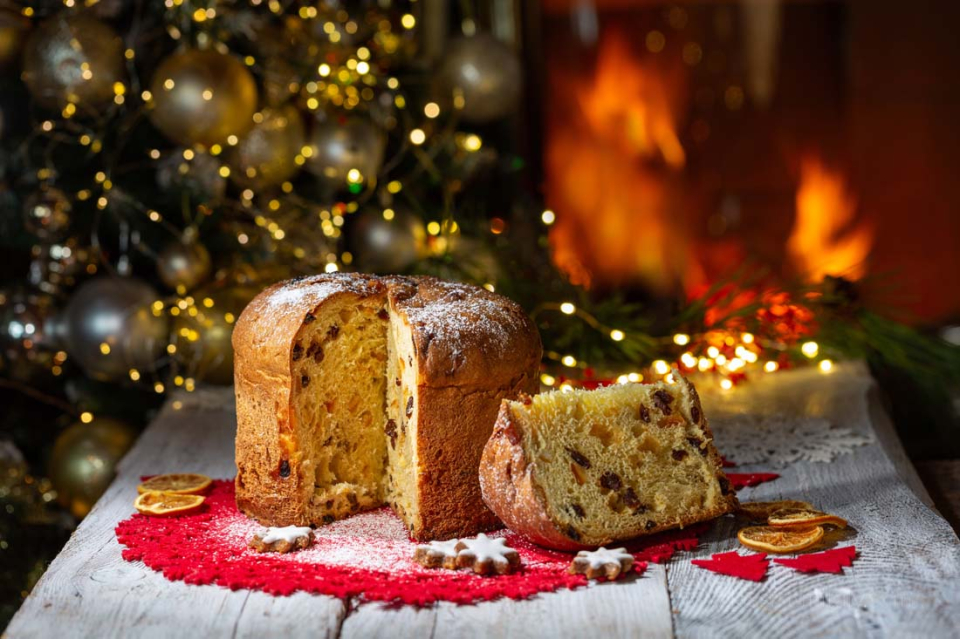
Remember that Panettone and pandoro aren’t just desserts in Italy — they’re holiday icons. If you want to impress your hosts bring a high-quality artisanal panettone or pandoro, it will be noticed.
Gallery

Toasting Etiquette: Eye Contact, Always
Italian toasts are all about connection.
When clinking glasses:
- Make eye contact
- Raise your glass lightly
- Don’t overdo the "cheers!"
- Always sip, don’t chug - ever
- Saying cin cin! is fine — but a simple auguri! (best wishes) is more elegant during the holidays
Eat Lentils at New Year’s — They Symbolize Money
On New Year’s Eve, Italians serve:
- Lentils and grapes (for prosperity and financial luck)
- Cotechino or zampone (rich, slow-cooked pork sausage)
Even if you only take a spoonful, never skip the lentils. Not eating them is like saying, "No thanks, I don’t want good fortune."
Expect a Digestivo After the Meal
After a massive feast, Italians bring out the digestivos, liquors with various degree of alcohol: Amaro, Limoncello, Grappa, Mirto, Sambuca.
Taking one is polite — and expected. If you don’t drink much, sip slowly or pretend you are drinking it. The point is the ritual, not the alcohol.
Dress Well — Holiday Meals Are a Social Stage
Holiday dining in Italy is a little glamorous. Even home lunches feel like a special occasion.
Avoid: Hoodies, Athletic wear, Ripped jeans, Sneakers (unless stylish ones).
And especially avoid at all cost: No pajamas. No leggings-as-pants. No "I just rolled out of bed" vibe.
This is a moment for: a nice shirt, a dress or tailored trousers, a coat that looks intentional.
Italians notice the effort — and they appreciate it.
Don’t Help Yourself: Wait to Be Served
Italian families love hosting. They’ll: serve the dishes, portion the food, control the pace. Jumping up to help can make them uncomfortable, but do offer to help. Wait for an answer before assisting or clearing the table.
Coffee Only After Dessert (and Never Cappuccino)
Holiday or not, Italian coffee rules stay the same: caffe’ after a big meal, macchiato at most. Never cappuccino — it’s seen as too heavy after food.
Many Italian homes don’t have espresso machines. Christmas coffee is often times brewed in the traditional moka pot — small, strong, homemade.
Don’t Rush Off — Italians Linger After Meals
After holiday meals, expect:
- Talking
- Digestivo sipping
- More talking
- Maybe board games – tombola is a classic of the holidays
- Possibly more food
- More talking
- And more food
Leaving too early can seem abrupt. Plan a flexible schedule.
FAQs: Italian Holiday Dining Etiquette
Do Italians exchange gifts at Christmas meals? - Yes — especially on Christmas Day. Gifts are usually small, thoughtful, and exchanged after the meal.
What time do holiday meals actually start? – It really depends on where you are, it changes a lot from North to South. Generally speaking: Christmas Eve dinner: around 7–9 PM - Christmas Day lunch: around 1 PM - New Year’s Eve dinner: 8–10 PM
Should I bring wine to a holiday meal? - Absolutely — but make sure it’s good-quality and not from a supermarket.
Can I refuse food? - Yes, but politely. Italians express care through feeding, so refusals should be gentle.
The Christmas Season in Italy
From festive tables to centuries-old traditions, Christmas in Italy is a season best understood as a whole. To discover how food, culture, and local customs come together across the country, take a look at our complete Christmas in Italy guide, where we bring together traditions, destinations, and holiday experiences.