 Private Tour(131 tours)
 Small group(5 tours)
 Transfer(13 tours)
 Package tour(2 tours)



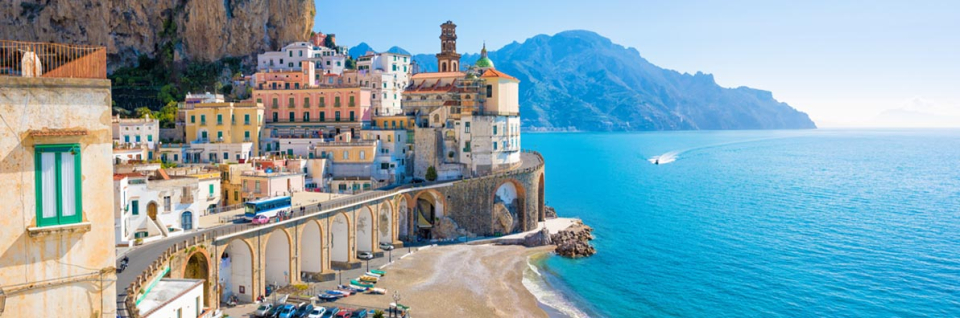
A first-hand look at how KissFromItaly clients traveled in 2026 and the shifts we expect to shape 2027
It’s finally October. The boats are coming out of the water, the harvest is wrapping up in the hills, and for the first time in months there’s time to sit down and think back at the season.
Looking at our numbers, a few things jumped out right away. Direct revenue was up 65%. Revenue through travel advisors was up 50%. And revenue through online marketplaces (OTAs) was down 30%.
This isn’t a forecast, and it isn’t a study of "the Italian travel market." It’s simply what we saw this year from where we sit: in the trips we planned all around Italy, on the boats, on the roads and trains with our guides, and in a lot of conversations with clients and advisors along the way. Here’s what stood out.
The data
How travelers booked: direct and advisor channels surged, OTAs fell
| Channel | Revenue, Jan–Sep 2026 vs. Jan–Sep 2025 |
| Direct (travelers booking with us) | +65% |
| Travel advisors | +50% |
| Online marketplaces (OTAs) | −30% |
Source: Kiss from Italy internal data. Change in revenue for January–September 2026 compared with January–September 2025, with trips counted by actual travel date.
Direct: +65%. This was the biggest change of the year. More travelers came straight to us, and they arrived better informed. They had already narrowed down where they wanted to go, often had a shortlist of experiences, and wanted a conversation, not a checkout page. Many of them had clearly done part of their research with AI assistants. The questions they asked us were less "what is there to do in Amalfi?" and more "is it worth doing Capri and Positano by boat on the same day with two grandparents and a six-year-old?" That second question is the one we love to answer.
A real part of our work this year was helping clients see that what an AI had suggested wasn't always feasible, or wouldn't be enjoyable. We saw three islands in one day, a coastal drive timed as if there were no August traffic, a packed museum schedule for a family with a four-year-old. Our job was to replace that with what is actually right for the people traveling. A family with young children needs a very different day from a couple looking for something romantic. That advice comes from many years of running these trips and from what our clients have told us afterwards about what worked and what didn't.
Travel advisors: +50%. Advisors booked more with us, and more of them came to us directly. What they tell us is consistent: they are looking for flexibility, customization, and above all a partner with real, first-hand knowledge they can trust. An advisor's reputation rides on every trip they recommend. They want to work with the people who actually know the captain, the winemaker and the back road that avoids the traffic, and who can change a plan at 10 p.m. the night before when a client's needs change.
Online marketplaces (OTAs): −30%. Our marketplace revenue fell, and in our view three things drove it:
- Price sensitivity. Online marketplaces tend to attract more budget-conscious travelers, and this is the group most affected by higher prices across Italian travel this year.
- Changing algorithms. The marketplaces have been changing how they rank and recommend experiences, increasingly with AI, and that changes which tours travelers see.
- Channel shift. Some travelers and advisors who once found us on a marketplace now book with us directly.
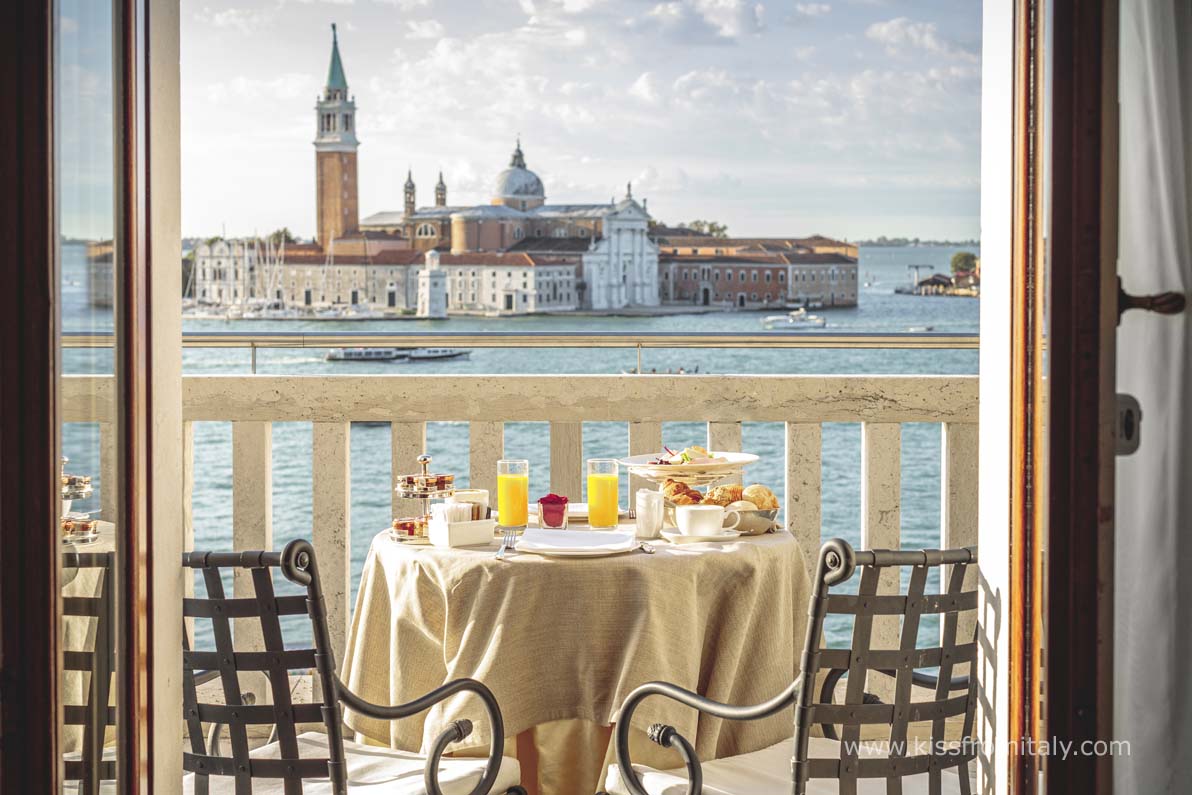
Where they went
Yacht charters: Capri, the Amalfi Coast and Portofino led the growth
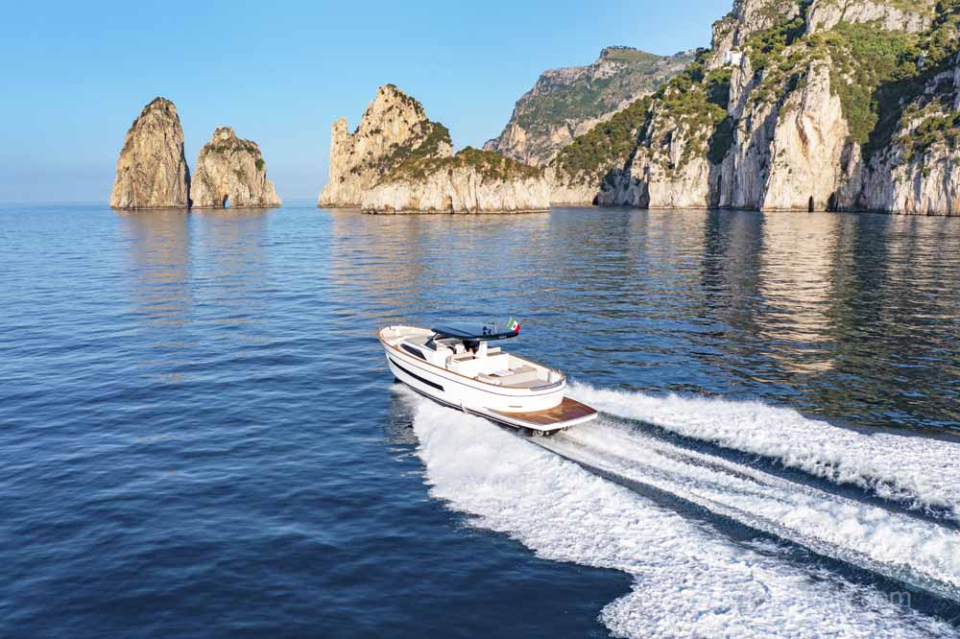
Private yacht and boat charters around Capri, the Amalfi Coast and Portofino kept growing very strongly. Demand for these coastlines is strong, but it isn't the whole story. We are well positioned in all three, we run one of the most complete fleets available, and we put the same level of service into a half-day boat trip as into a week-long itinerary. Sardinia grew too, at a slower pace, and Sicily held steady.
The reason is simple once you've been on the water in August. The Amalfi Coast road is beautiful and frequently jammed; Capri's Marina Grande at midday is a queue. From a boat, you see the coast the way it was meant to be seen, you swim in coves no bus reaches, you step-off the boat directly to a restaurant on the water, and you set your own pace. For families and groups, a private boat is also the rare format where a grandparent who doesn't want to hike and a teenager who wants to jump off the bow can both have a perfect day.
Shore excursions kept growing
Private shore excursions grew again, and demand was strong across all the major ports we serve: Naples, La Spezia, Genoa, Livorno, Civitavecchia. This year we expanded our coverage to Salerno. Being there gives cruise passengers more options and puts the Amalfi Coast and Capri within easier reach on a port day, when every hour counts and the ship won't wait.
Emilia-Romagna came into its own
Emilia-Romagna was our breakout region this year, across three very different kinds of experience:
- Food: Parmigiano Reggiano dairies at dawn, balsamic vinegar attics in Modena, prosciutto in the hills around Parma, and pasta made by hand in Bologna.
- Art and history: Bologna's arcades and towers, the mosaics of Ravenna, Parma's cathedral and theater, Ferrara's Renaissance walls.
- Motor Valley: the Ferrari, Lamborghini, Maserati and Ducati world between Maranello, Modena and Bologna, including museum visits and driving experiences behind the wheel.
What ties these together is that Emilia-Romagna rewards people who want depth over landmarks. It has fewer "bucket list" sights than Tuscany, and that is exactly its appeal for travelers on their second or third trip to Italy.
Wine tourism grew in Tuscany, Umbria and Piedmont
Demand for wine-focused days grew in all three regions. Tuscany remains the anchor, but Umbria (Montefalco's Sagrantino, Orvieto's whites) and Piedmont (Barolo, Barbaresco, and the truffle season around Alba) are where we saw travelers going deeper. The wine traveler of 2026 wants to meet the producer, walk the vineyard, and understand why two hillsides a few kilometers apart make different wines. A tasting room and a gift shop no longer cut it.
Rome, Florence, Venice, Lake Como and Cinque Terre held steady
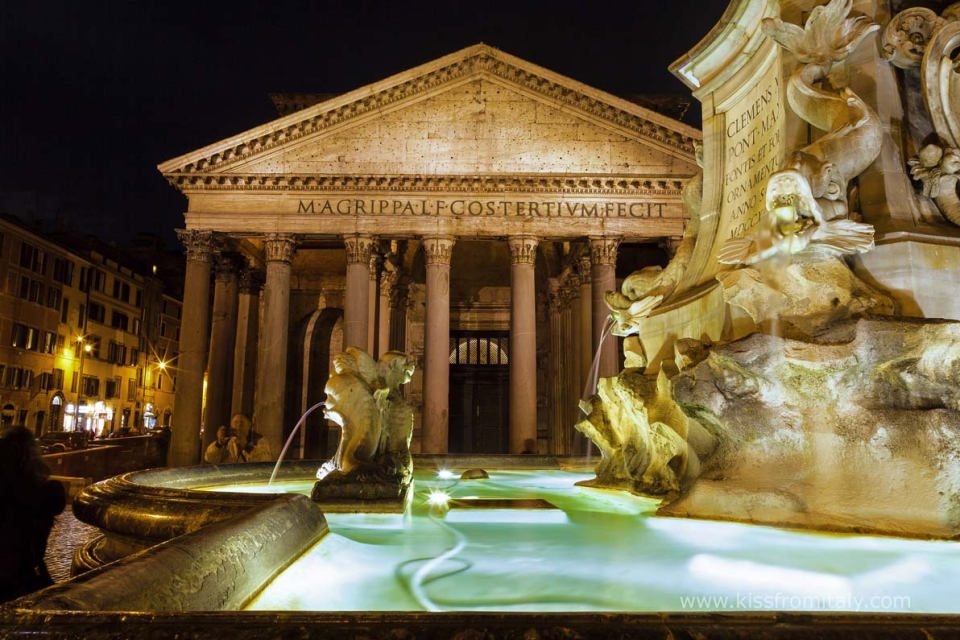
The big three and the other classic destinations, such as Lake Como, were stable. They remain the backbone of most first trips to Italy, and they continue to deserve it. What changed is how they fit into an itinerary: increasingly as a base or a bookend, with the most memorable days spent somewhere nearby and less crowded.
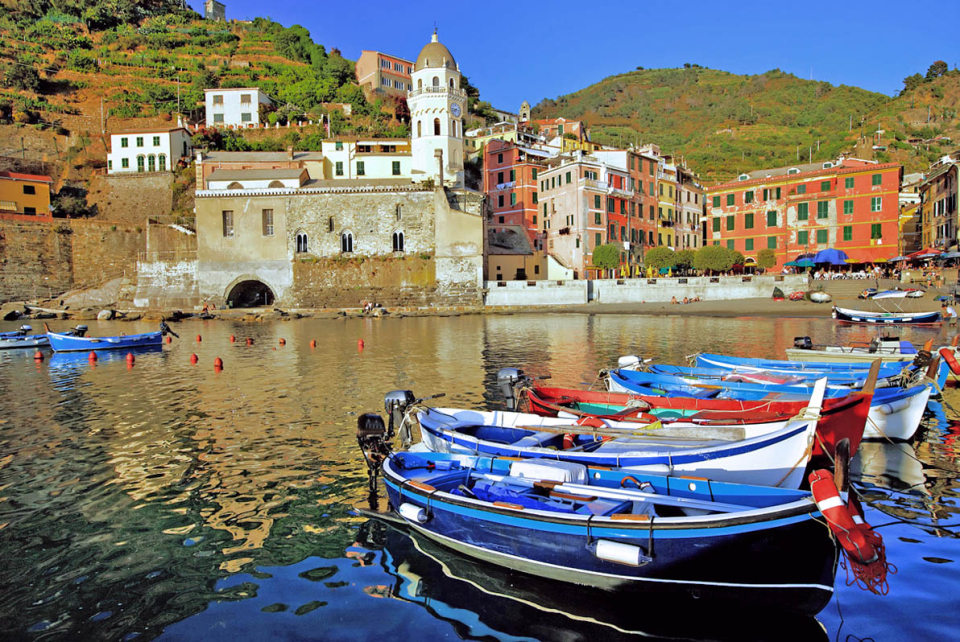
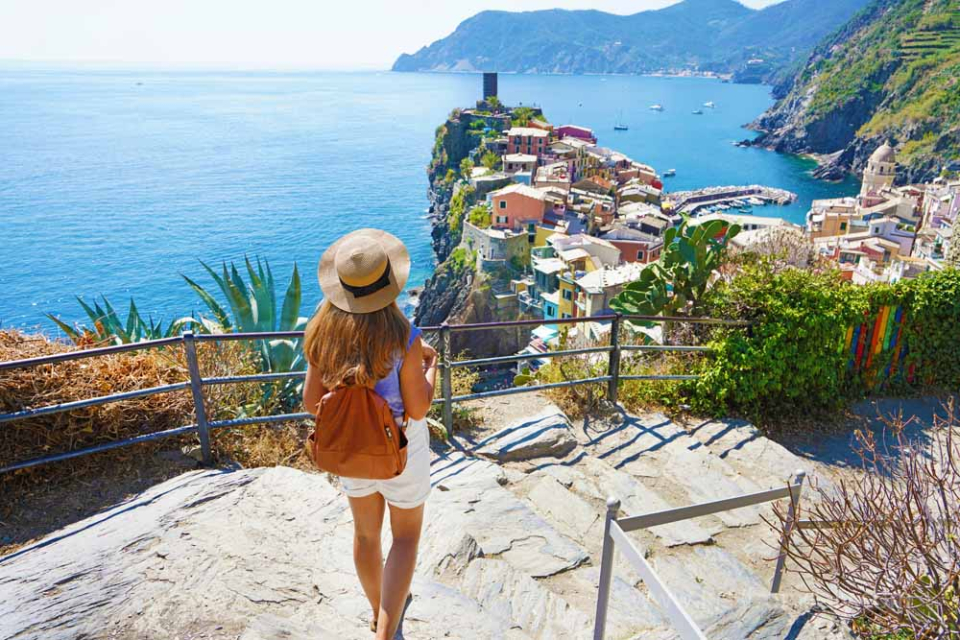
Cinque Terre was steady too, but two things changed underneath the overall number. More clients booked it with us directly rather than through marketplaces. And more of them chose to go in spring and early autumn instead of July and August.
Both shifts make sense to anyone who has stood on a Vernazza train platform in July. Cinque Terre is still extraordinary, but how and when you visit matters more than ever. In April or October, starting from La Spezia, or seeing the villages from the sea, it's a completely different experience.
Who traveled: more three-generation families
Multigenerational trips grew noticeably this year: grandparents, parents and children traveling together, often to mark a milestone birthday, an anniversary, or simply a summer they didn't want to let pass.
These trips are wonderful and demanding in equal measure. A day has to work for an 80-year-old and an 8-year-old at the same time. That means fewer, better-chosen stops, shade and a proper lunch, transfers door to door, and guides who can talk Renaissance politics with one guest and gelato flavors with the next. It is also why private formats, from a chartered boat to a private driver, have become the default for these families. Group tours simply can't flex the way they need to.
Trends
The season is getting longer, and November is the surprise
Bookings rose markedly in April, September, October and November. For years, Italy's shoulder season was something travelers settled for. In 2026 they chose it.
November stands out. In more than 20 years of doing this, this is the first time we have seen American families treat November not as the month where Thanksgiving travels are the only focus, but as a time to travel to Italy. The reasons are easy to understand: fewer crowds, no summer heat, lower prices, and a version of Italy that feels more like itself.
But the fall is not right for everything. Food and wine are at their best: olive oil pressing, the end of the harvest, white truffles in Piedmont and Tuscany. Coastal experiences like yacht charters are another story, with cooler water, more rain and rougher seas. Matching the experience to the month is what turns a shoulder-season trip from a bargain into a highlight.
Travelers want somewhere new
More travelers asked us for places they hadn't heard of from friends. Lazio beyond Rome and the Marche were the two regions that came up most.
Lazio is the obvious example of a region hiding behind its capital: the lakes of Bracciano and Bolsena, Etruscan Tarquinia and Cerveteri, the gardens of Ninfa, and hill towns like Civita di Bagnoregio, all within reach of Rome. The Marche offers what many people picture when they imagine Tuscany 30 years ago: medieval hill towns, the Conero coast, Urbino's Renaissance court, and a food culture with very little performance about it.
This isn't just about avoiding crowds. These travelers are often on a repeat trip and want the feeling of discovering something rather than checking it off.
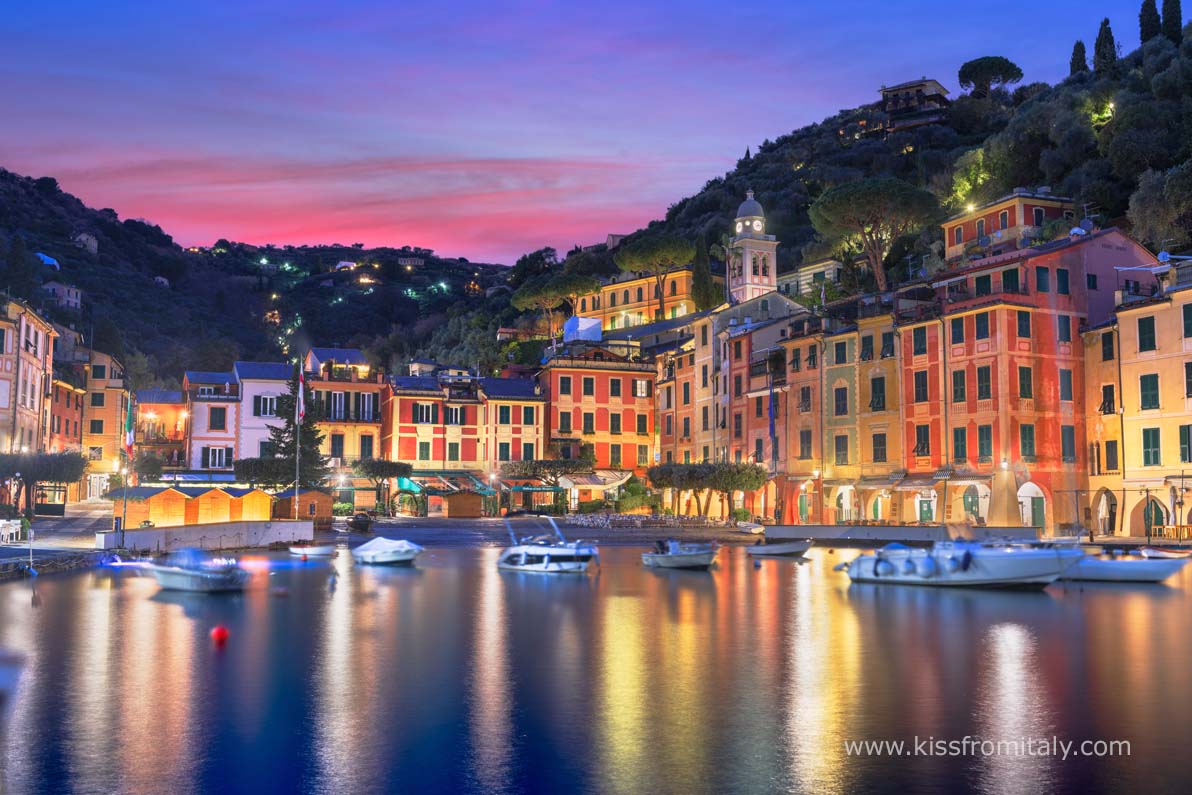
Looking ahead
What this means for travel advisors planning 2027
If you design Italy trips for clients, here is what this season suggests:
- Sell the shoulder months on purpose. April, September, October and November are no longer compromises. Build them around food, wine and cities, and save the boats for May through early October.
- Use the big three as bases, not the whole trip. A Florence stay with a day in the Chianti or Montalcino vineyards, or Rome with a day in Etruscan Lazio, often becomes the day clients talk about most.
- Pitch Emilia-Romagna to repeat clients. Food, art and Motor Valley appeal to very different travelers in the same family.
- Plan multigenerational trips around private formats. A private boat or driver solves most of the friction of mixed-age groups.
- Book with the operator directly when you can. You get a real person who knows the guides, the drivers, the captains and the weather, and who can change a plan quickly when something comes up.
If you'd like to work with us on 2027 itineraries, get in touch.
What we expect in 2027
Based on what we saw this season, and on more than 20 years of planning trips in Italy, here is where I think things are going.
As AI grows, so does the need for tested human expertise. The more travelers plan with AI, the more they need someone who has actually done it to tell them what will work. An AI can produce an itinerary in seconds. It can't tell you which day will actually work for a 75-year-old and a 7-year-old together, or when to move a boat day because the sea is turning. That is why travel advisors will become more relevant because of AI, not less. What their clients value is judgment, accountability and a trusted network on the ground, and that is exactly what a good advisor, working with operators they know, provides.
The season will keep getting longer, in both directions. Autumn is now a season in its own right, built around truffles, the harvest and the new olive oil. Winter is next: the Bernina Express through the snow-covered Alps to St. Moritz, Christmas in the cities, and quiet museums. The key will remain the same: matching the best experience to the month.
The marketplaces will adapt. OTAs will find ways to make AI genuinely useful on their platforms, and they will remain an important way for many travelers to discover experiences. How travelers search, compare and book tours there will keep changing, and operators will need to adapt with them.
Secondary destinations will keep rising. Emilia-Romagna, Lazio beyond Rome and the Marche are only the beginning. Travelers on their second or third trip to Italy want to discover something, not just check it off. Be prepared to hear more about Trentino or Friuli.
The season is about to close, and while we reflect on the past, we are building for that future, with a new website for our clients and new services designed for travel advisors, both coming in the months ahead.
Gallery
View all 8 photos